
Preparing for an assessment
What a balance assessment can tell you
At Advanced Balance, a balance assessment connects when you feel unsteady with what your physical therapist notices as you move. It gives you both a clearer starting point for deciding what to focus on next.
Why the setting matters
A quick turn from the sink to the stove feels different from stepping off a curb on a busy street. On the stairs, going down might be the part that stands out, even if going up feels ordinary. Two people can both describe feeling unsteady and mean quite different things.
That everyday context helps make the conversation specific. A walk to the corner store might be part of someone’s morning. For someone else, the movement they care about is carrying a mug from the kitchen to the table.
How the assessment brings it together
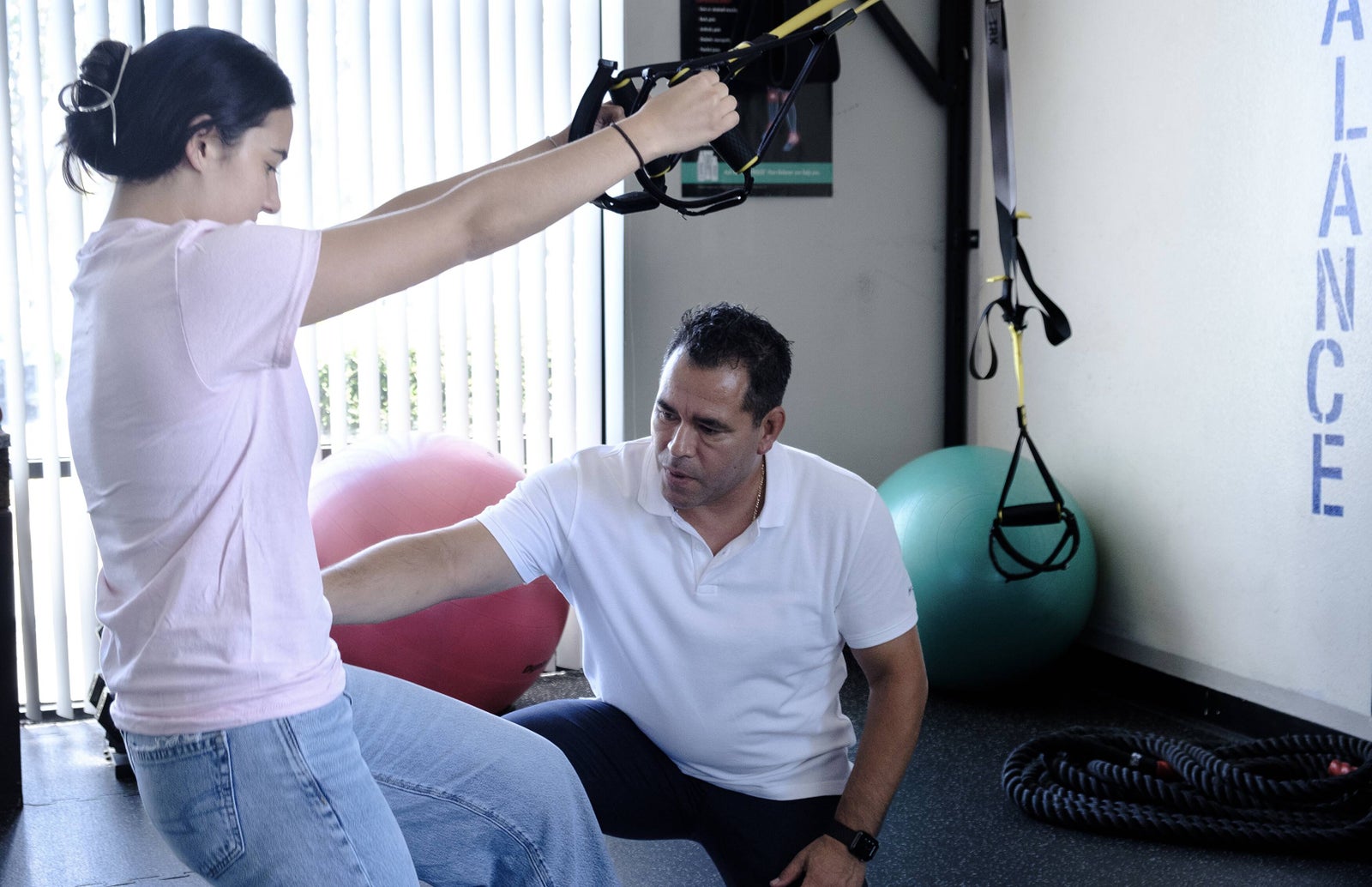
At the San Pedro practice, balance and fall prevention care starts with what feels difficult in daily life. The therapist’s observations during the assessment add another perspective to what you’ve noticed. Together, those details help connect the assessment to an activity that matters to you.
The first visit page explains how the practice combines a conversation about your goals with an individual movement evaluation and a discussion of next steps.